
 Image 1 of 1
Great for post-birth recovery
Hemorrhoids, anal fissures & more
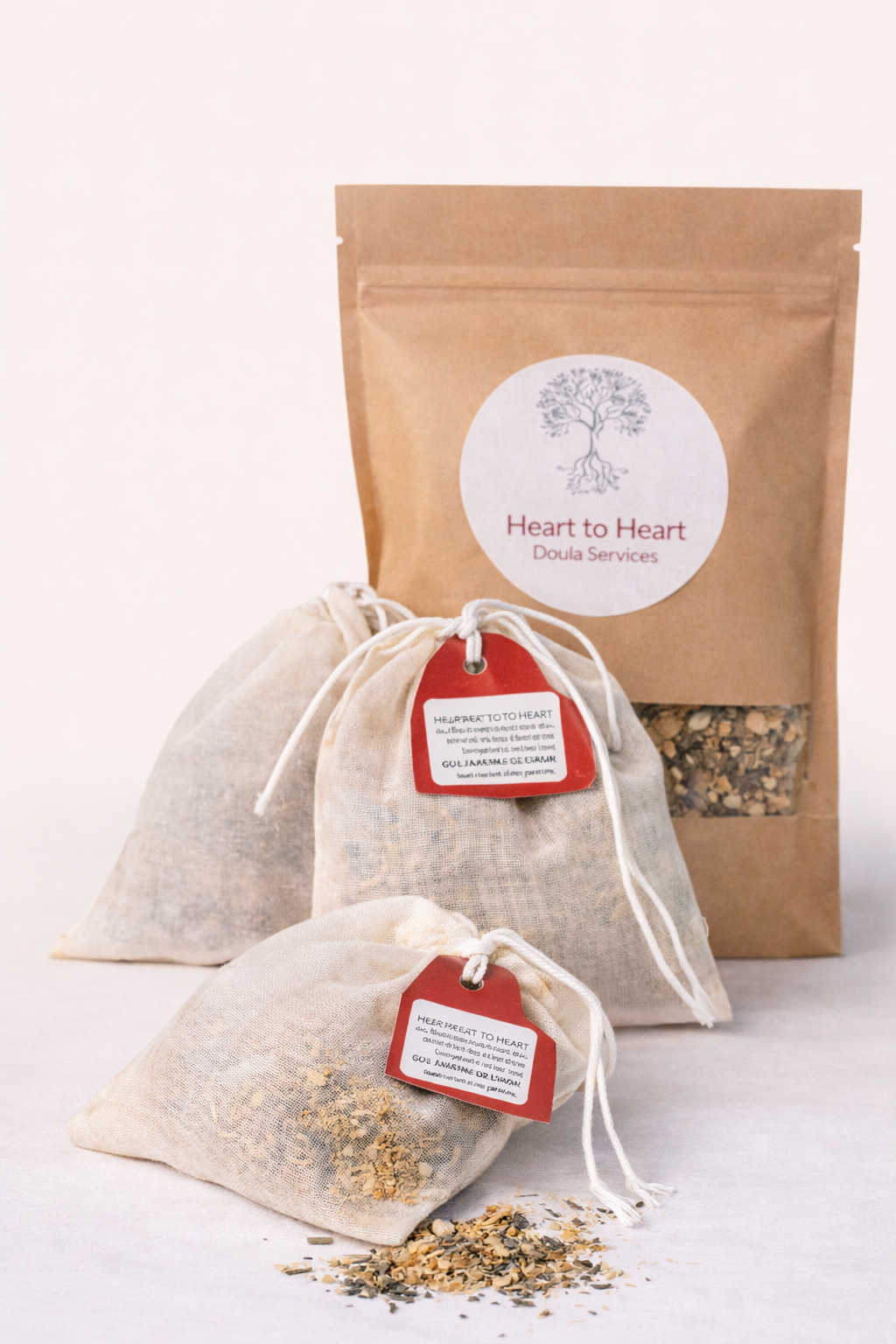
Childbirth places intense strain on the perineal area. For many people, that can mean hemorrhoids, anal fissures, swelling, soreness, and skin irritation during the postpartum recovery period. Gentle, targeted care can make a major difference in comfort and healing.
How it helps
Reduces pain and discomfort: Soothing topical treatments and sitz baths ease inflammation and nerve irritation to relieve burning, stinging, and throbbing.
Promotes healing: Ingredients that protect and moisturize the delicate perineal skin support tissue repair and reduce the chance of cracking or worsening fissures.
Decreases swelling: Anti-inflammatory care and cool compresses can help shrink swollen tissues and improve circulation.
Minimizes itching and irritation: Fragrance-free, gentle formulations prevent further irritation while addressing itch from healing skin or hemorrhoidal tissue.
Supports bowel comfort: Combined use with stool-softening strategies (hydration, fiber) reduces straining that can aggravate hemorrhoids and fissures.
When to use
Immediately after birth if you experience pain, swelling, or visible hemorrhoids
During the first weeks postpartum while tissue is still healing
After bowel movements to cleanse and soothe the area
As part of a regular perineal care routine until symptoms resolve
Practical tips
Sitz baths: 10–20 minutes of warm sitz baths 2–3 times daily and after bowel movements to cleanse and soothe.
Gentle cleansing: Use lukewarm water and a soft peri bottle or gentle cleanser; pat dry rather than rubbing.
Topical care: Apply soothing, protective creams or ointments as recommended by your care provider.
Cold therapy: Apply cold packs wrapped in a cloth for short periods to reduce swelling and pain.
Avoid straining: Eat fiber-rich foods, drink plenty of fluids, and consider stool softeners if advised by your clinician.
Kegels and pelvic rest: Gentle pelvic floor exercises can support healing; avoid heavy lifting and intense strain during the initial recovery period.
When to call your provider
Heavy bleeding, fever, or worsening pain
Symptoms that don’t improve with home care within a week or two
Signs of infection (increasing redness, pus, or foul odor)
Supportive postpartum care tailored to these issues can significantly improve comfort and speed healing. If symptoms are severe or persistent, consult your healthcare provider or postpartum doula for personalized guidance and treatment options.
Great for post-birth recovery
Hemorrhoids, anal fissures & more
Childbirth places intense strain on the perineal area. For many people, that can mean hemorrhoids, anal fissures, swelling, soreness, and skin irritation during the postpartum recovery period. Gentle, targeted care can make a major difference in comfort and healing.
How it helps
Reduces pain and discomfort: Soothing topical treatments and sitz baths ease inflammation and nerve irritation to relieve burning, stinging, and throbbing.
Promotes healing: Ingredients that protect and moisturize the delicate perineal skin support tissue repair and reduce the chance of cracking or worsening fissures.
Decreases swelling: Anti-inflammatory care and cool compresses can help shrink swollen tissues and improve circulation.
Minimizes itching and irritation: Fragrance-free, gentle formulations prevent further irritation while addressing itch from healing skin or hemorrhoidal tissue.
Supports bowel comfort: Combined use with stool-softening strategies (hydration, fiber) reduces straining that can aggravate hemorrhoids and fissures.
When to use
Immediately after birth if you experience pain, swelling, or visible hemorrhoids
During the first weeks postpartum while tissue is still healing
After bowel movements to cleanse and soothe the area
As part of a regular perineal care routine until symptoms resolve
Practical tips
Sitz baths: 10–20 minutes of warm sitz baths 2–3 times daily and after bowel movements to cleanse and soothe.
Gentle cleansing: Use lukewarm water and a soft peri bottle or gentle cleanser; pat dry rather than rubbing.
Topical care: Apply soothing, protective creams or ointments as recommended by your care provider.
Cold therapy: Apply cold packs wrapped in a cloth for short periods to reduce swelling and pain.
Avoid straining: Eat fiber-rich foods, drink plenty of fluids, and consider stool softeners if advised by your clinician.
Kegels and pelvic rest: Gentle pelvic floor exercises can support healing; avoid heavy lifting and intense strain during the initial recovery period.
When to call your provider
Heavy bleeding, fever, or worsening pain
Symptoms that don’t improve with home care within a week or two
Signs of infection (increasing redness, pus, or foul odor)
Supportive postpartum care tailored to these issues can significantly improve comfort and speed healing. If symptoms are severe or persistent, consult your healthcare provider or postpartum doula for personalized guidance and treatment options.